

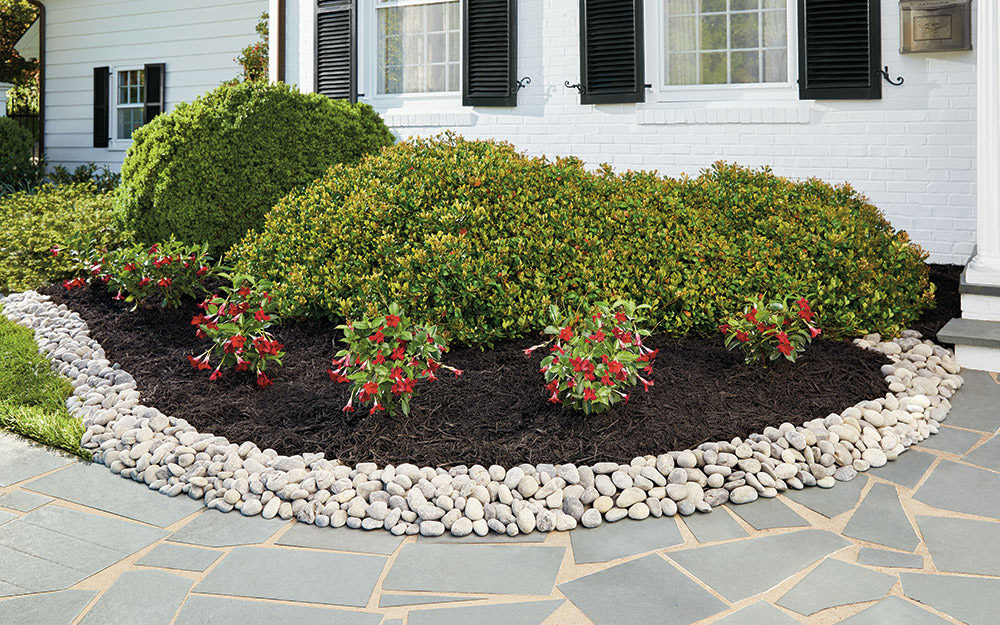
Decorative rock is a popular choice for landscaping projects due to its aesthetic appeal, low maintenance requirements, and durability. Whether you’re refreshing a garden bed, installing a new pathway, or embarking on a full-scale xeriscape, one of the most common questions homeowners ask is: How much decorative rock do I need? Getting the quantity right is critical to avoid overspending or running short mid-project. This guide walks you through the process of calculating exactly how much rock you’ll need.
Why Use Decorative Rock for Landscaping?
Decorative rock offers several advantages over organic mulch, grass, or other ground covers. It doesn’t break down over time, requires minimal maintenance, and provides excellent drainage. Rocks also help prevent weed growth and can serve as a long-term solution in both residential and commercial landscapes.
Common uses include:
- Ground cover for flower beds and shrubs
- Edging along sidewalks or driveways
- Xeriscaping in arid climates
- Accents around water features
- Walkways, patios, and fire pit areas
Popular rock types include pea gravel, river rock, lava rock, crushed granite, and decomposed granite, each with distinct textures and coverage characteristics.
Factors That Influence How Much Rock You Need
Area Size and Shape
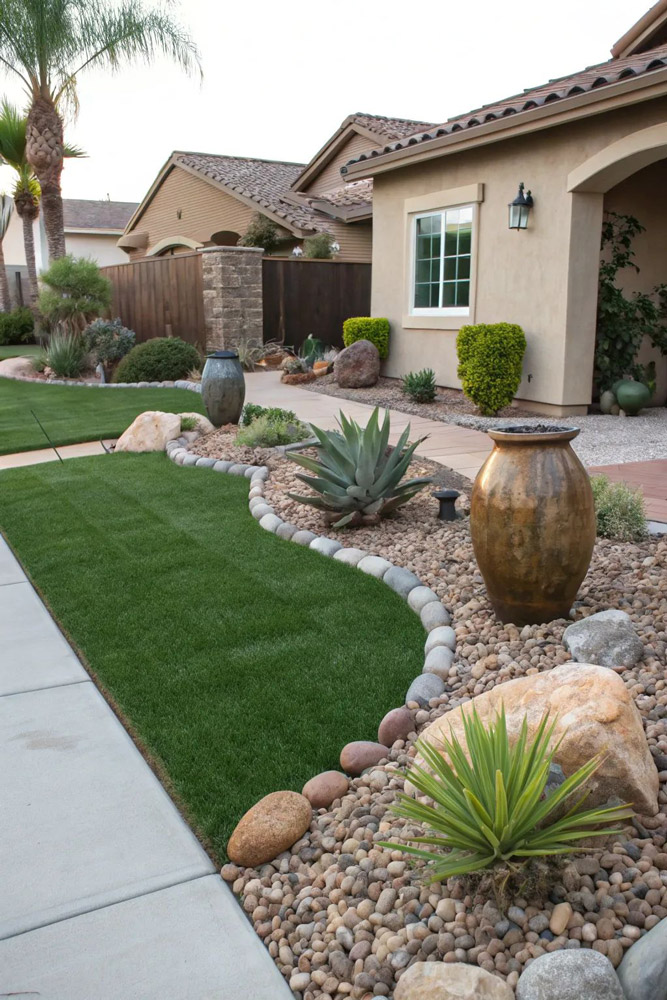
Start by measuring the square footage of the area you plan to cover. For a rectangular space, multiply length by width. For circular or irregular areas, use the appropriate geometric formula or divide the area into smaller, measurable sections.
Depth of Rock Layer
The depth of the rock layer depends on your application:
- 1–2 inches for light coverage or decorative top dressing
- 3 inches for moderate coverage or weed suppression
- 4–6 inches for high-traffic areas like pathways or driveways
Depth is crucial; adding just one more inch can significantly increase the amount of rock needed.
Rock Size and Type
The size and type of rock affects how much you’ll need. Larger rocks tend to have more air space between pieces and require more volume to cover the same area. Smaller rocks or crushed stone compact more tightly, covering more area per ton.
Weight vs Volume
Landscaping rock is often sold either by the ton (weight) or by the cubic yard (volume). Understanding both units and how they convert is essential to making accurate calculations.
- 1 cubic yard = 27 cubic feet
- 1 ton of decorative rock typically covers 70 to 100 square feet at 2 inches deep, depending on rock type
Step-by-Step: How to Calculate Decorative Rock Quantity
Step 1: Measure the Area
Determine the square footage of your landscape project. For example, if your space is 10 feet by 12 feet:
10 ft × 12 ft = 120 square feet
Step 2: Decide on Depth
Choose the appropriate depth based on the use-case. Convert inches to feet by dividing by 12. For 2 inches of depth:
2 ÷ 12 = 0.1667 feet
Step 3: Calculate Volume in Cubic Yards
Use the formula:
Cubic Yards = (Area in sq ft × Depth in feet) ÷ 27
Example:
(120 × 0.1667) ÷ 27 = 0.74 cubic yards
Round up to ensure you have enough material. You would need approximately 1 cubic yard for this example.
Step 4: Convert to Tons (If Needed)
If your supplier sells by the ton, you’ll need to convert cubic yards to tons. This varies by rock type, but a common rule of thumb is:
1 cubic yard ≈ 1.3 to 1.5 tons
So, 1 cubic yard × 1.4 = 1.4 tons (rounded)
Decorative Rock Coverage Chart
| Rock Size | Depth (in) | Coverage per Ton (sq ft) |
|---|---|---|
| Pea Gravel | 2″ | 100 sq ft |
| River Rock 1″ | 2″ | 90 sq ft |
| Crushed Stone | 2″ | 80 sq ft |
| Lava Rock | 3″ | 60 sq ft |
| Riprap | 4″ | 50 sq ft |
Use these estimates to get a rough idea of how many tons you’ll need, based on the rock type and application depth.
Real-World Examples
Flower Bed
A small 10′ x 10′ flower bed at 2 inches deep:
- Area: 100 sq ft
- Depth: 0.1667 ft
- Volume: 0.62 cubic yards
- Order: 1 cubic yard or ~1.4 tons of pea gravel
Driveway Border
A 2-foot-wide border along a 40-foot driveway:
- Area: 2 × 40 = 80 sq ft
- Depth: 3 inches = 0.25 ft
- Volume: 0.74 cubic yards
- Order: 1 cubic yard or ~1.4 tons of river rock
Full Xeriscape Yard
A 25′ x 30′ backyard:
- Area: 750 sq ft
- Depth: 2 inches = 0.1667 ft
- Volume: 4.63 cubic yards
- Order: 5 cubic yards or ~7 tons of mixed rock types
Tips for Ordering and Installing Decorative Rock
- Order Extra: Add 5–10% more material to account for settling, compaction, and irregular areas.
- Use Landscape Fabric: Install a weed barrier fabric under the rock to prevent weed growth.
- Install Edging: Metal or plastic edging helps contain the rock and maintains clean lines.
- Get the Right Tools: A wheelbarrow, rake, shovel, and tamper are essential for efficient installation.
- Schedule Delivery Carefully: Ensure you’re ready for installation before the rock arrives. Most rock is delivered in bulk by dump truck.
FAQs About Decorative Rock Coverage
How much rock do I need per square foot?
It depends on the depth. At 2 inches deep, you’ll need about 1 ton of rock for every 100 square feet.
How deep should decorative rock be?
For most applications, 2–3 inches is sufficient. For driveways or heavy-traffic paths, 4–6 inches is recommended.
What size rock is best for landscaping?
For flower beds or general ground cover, 3/4″ to 1.5″ is typical. For driveways or erosion control, 2″ to 4″ rock or riprap is ideal.
What’s the difference between a cubic yard and a ton?
A cubic yard measures volume; a ton measures weight. Rock density varies, but typically 1 cubic yard = 1.3 to 1.5 tons.
Can I install decorative rock myself?
Yes, with proper tools and preparation, many homeowners complete small projects themselves. For larger jobs, consider hiring help or renting equipment.
Final Checklist and Calculator Summary
Before you start your project:
- Measure your space accurately
- Choose the correct depth based on purpose
- Use the cubic yard formula
- Convert to tons if needed
- Order 5–10% extra
- Prepare your base with fabric and edging
Decorative Rock Formula Recap:
Cubic Yards = (Length × Width × Depth in feet) ÷ 27
Tons = Cubic Yards × 1.4 (approximate)
Calculating decorative rock requirements doesn’t have to be overwhelming. With a few simple measurements and a bit of math, you’ll be able to confidently order the right amount of material for your landscape project. This ensures not only a polished final result but also a more efficient and cost-effective process from start to finish.